
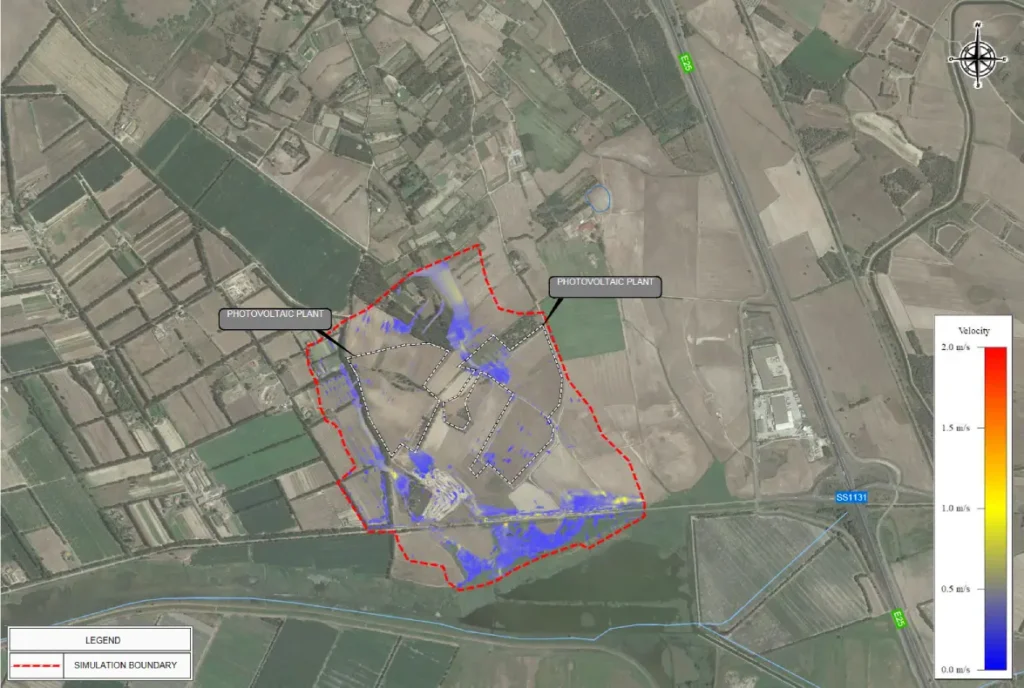
Before starting any civil engineering project, it is essential to carry out preliminary studies that provide a thorough understanding of site conditions. These typically include topographic surveys, geotechnical investigations, hydrological and hydraulic studies, as well as preliminary earthworks assessments. Their purpose is to identify technical constraints, anticipate risks, and define viable solutions from the earliest stages of the project.
The technical feasibility of a site is assessed through a combined analysis of terrain geometry, geotechnical conditions, slope stability, accessibility, and potential technical or administrative constraints. This evaluation makes it possible to determine whether the site is suitable for project development, optimize the design, and reduce uncertainties during later engineering and construction phases.
Geotechnical engineering is a key factor in foundation design, as it determines the soil’s bearing capacity, expected settlements, and its behavior under structural loads. Based on geotechnical studies, safe and efficient foundation types are defined and tailored to the actual ground conditions, ensuring the stability and durability of the infrastructure.