
Civil Engineering

We develop civil engineering projects focused on the design, planning, and execution of infrastructure, ensuring technically sound, efficient solutions tailored to the needs of each environment.

Ceren

Preliminary Studies and Technical Feasibility

At CEREN, we carry out preliminary civil engineering studies aimed at accurately assessing the technical and constructability feasibility of each project. These initial phases are key to identifying site constraints, geometric limitations, and potential impacts that may influence the design, execution, and overall project costs.
Our work includes the analysis of topography, site geometry, and general ground conditions, as well as the review of available technical information and the definition of initial design criteria. Based on this analysis, we propose technical alternatives that help optimize project implementation and reduce uncertainties in later stages.
Technical feasibility studies make it possible to anticipate construction risks, evaluate different implementation solutions, and establish a solid basis for decision-making before moving on to detailed engineering or the execution phase. This approach helps minimize deviations during construction and improves the overall efficiency of the project.

Civil Engineering

Detailed Engineering and Construction Development

Earthworks and Platforms

We develop detailed engineering for earthworks and construction platforms, optimizing terrain geometry to ensure technical feasibility, stability, and economic efficiency. We analyze topographic conditions and define solutions that minimize excavation and fill volumes, reducing costs and impacts during execution. Our designs take into account slopes, surface drainage, access routes, and construction phases, ensuring functional and safe platforms tailored to the project’s technical requirements and the actual site conditions.

Volume Calculation and Optimization

Detailed cut-and-fill calculations, optimizing earthwork volumes to reduce hauling, costs, and execution timelines.

Platform and Slope Design

Definition of platforms, slopes, and gradients in accordance with stability, drainage, and safety criteria during both the construction and operational phases.

Construction Planning

Planning of execution phases and temporary access routes to facilitate the orderly development of earthworks.

Geotechnical Engineering and Foundation Design

We develop geotechnical studies applied to foundation design, based on the detailed interpretation of field and laboratory tests and the specific conditions of the site. We analyze the mechanical behavior of the ground to define safe, efficient foundation solutions tailored to each project. Our work includes the evaluation of bearing capacity, settlement analysis, and the identification of geotechnical constraints that may affect structural stability. Based on this assessment, we propose optimized foundation types that balance structural safety, constructability, and cost control. We integrate regulatory criteria and on-site experience to anticipate ground-related risks, minimizing uncertainties during the construction phase and ensuring the long-term performance of the infrastructure.

Civil Engineering

Civil Engineering: Key Project Questions

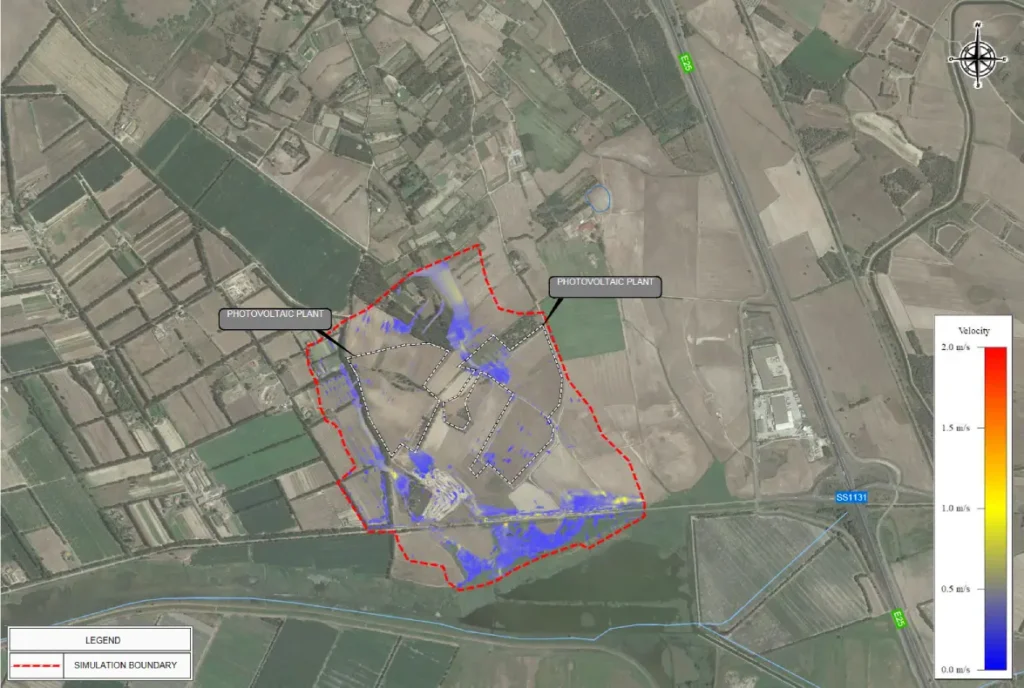
Before starting any civil engineering project, it is essential to carry out preliminary studies that provide a thorough understanding of site conditions. These typically include topographic surveys, geotechnical investigations, hydrological and hydraulic studies, as well as preliminary earthworks assessments. Their purpose is to identify technical constraints, anticipate risks, and define viable solutions from the earliest stages of the project.

The technical feasibility of a site is assessed through a combined analysis of terrain geometry, geotechnical conditions, slope stability, accessibility, and potential technical or administrative constraints. This evaluation makes it possible to determine whether the site is suitable for project development, optimize the design, and reduce uncertainties during later engineering and construction phases.

The design of earthworks and platforms is based on optimizing cut and fill volumes, balancing earthworks, ensuring geotechnical stability, and adapting the terrain to construction requirements. The goal is to minimize costs, reduce environmental impacts, and guarantee safe, functional platforms suited to both site conditions and project needs.

Geotechnical engineering is a key factor in foundation design, as it determines the soil’s bearing capacity, expected settlements, and its behavior under structural loads. Based on geotechnical studies, safe and efficient foundation types are defined and tailored to the actual ground conditions, ensuring the stability and durability of the infrastructure.